
5 Benefits of Switching to Propane Home Heating
Homeowners are increasingly exploring alternative heating solutions that offer efficiency, reliability, and long-term cost benefits. One option that continues to gain attention is propane home heating, which provides dependable warmth for homes in both rural and suburban areas.
Unlike some traditional heating fuels, propane burns cleanly and delivers consistent performance during colder months. T.H. Malloy & Sons, Inc. has helped homeowners understand the advantages of propane heating systems and how they can improve home comfort and energy reliability.
Because of these advantages, many homeowners are switching to propane systems to improve heating efficiency and reduce energy concerns during the winter season.
This guide explores the key benefits of propane home heating and why many households consider it a reliable long-term heating solution.
Why Many Homeowners Are Switching to Propane Home Heating
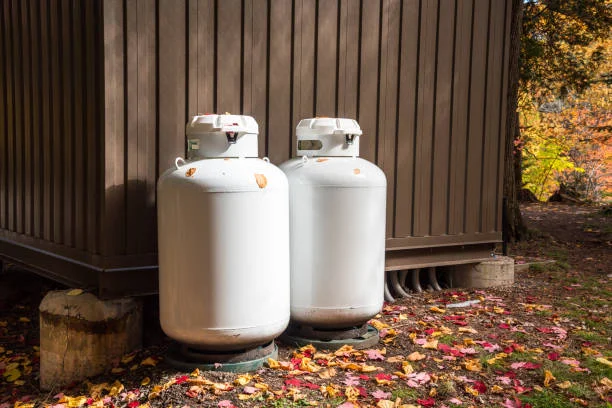
Heating systems play a major role in home comfort and energy use. Propane heating systems are known for their reliability, quick heat output, and compatibility with modern heating appliances.
Propane is commonly used for:
- Home furnaces and boilers
- Water heaters
- Fireplaces
- Cooking appliances
- Outdoor heating systems
Because propane systems can power multiple appliances, many homeowners choose propane to create a more versatile and efficient energy setup.
5 Benefits of Propane Home Heating
Switching to propane home heating offers several advantages for homeowners seeking efficient, reliable, and flexible energy solutions.
Efficient and Powerful Heating Performance
Propane heating systems are known for their strong heat output. Propane furnaces typically heat homes faster than many electric systems because propane burns at a higher temperature.
This allows homes to warm quickly during colder months while maintaining a comfortable indoor environment. High-efficiency propane furnaces can also reduce overall energy usage compared to older heating systems.
Reliable Heating During Cold Weather
Reliability is a major concern for homeowners during winter. Propane heating systems provide consistent heat even during extremely cold conditions.
Because propane is stored on-site in a tank, homeowners do not need to rely solely on utility infrastructure for heating. This can provide an added level of energy independence, particularly in areas where winter storms may disrupt other energy sources.
Lower Emissions Compared to Some Other Fuels
Propane is considered a clean-burning fuel that produces fewer emissions than several traditional heating fuels. This helps reduce environmental impact while still providing effective heating performance.
Propane is also recognized by many energy organizations as a lower-carbon alternative for residential heating systems. More information about propane’s environmental benefits can be found through propane’s clean-energy benefits.
Versatility for Multiple Home Appliances
One of the biggest advantages of propane is its versatility. In addition to heating systems, propane can power several appliances throughout the home.
Common propane-powered appliances include:
- Tank and tankless water heaters
- Gas stoves and ovens
- Fireplaces
- Clothes dryers
- Outdoor grills and patio heaters
Using propane for multiple appliances allows homeowners to maintain consistent energy performance throughout the house.
Long-Term Energy Value
Many homeowners consider propane a long-term investment in home comfort. Modern propane systems are designed to operate efficiently and require routine maintenance similar to other heating systems.
With proper installation and monitoring, propane heating systems can provide dependable performance for many years. For households looking to upgrade their heating systems, propane offers a practical balance of efficiency, reliability, and flexibility.
Factors to Consider Before Switching to Propane Heating
While propane heating offers many benefits, homeowners should evaluate a few important factors before making the transition.
1. Tank Installation and Placement
Propane systems require a storage tank that is typically installed outside the home. Professional installation ensures the tank is placed safely and meets local regulations.
2. Heating System Compatibility
In some cases, switching to propane may require replacing or upgrading existing heating equipment to ensure compatibility with propane fuel systems.
3. Fuel Monitoring and Refills
Because propane is stored in a tank, homeowners should periodically monitor fuel levels and schedule deliveries when needed. Regular monitoring helps ensure the system continues operating smoothly throughout the heating season.
Contact T.H. Malloy & Sons, Inc. for Propane Heating Services in Massachusetts
Switching to propane heating can provide reliable warmth, improved efficiency, and long-term energy flexibility for your home.
Homeowners across Massachusetts rely on experienced propane providers to help manage safe fuel delivery, heating systems, and ongoing propane support.
For personalized assistance, homeowners can contact T.H. Malloy & Sons, Inc. to discuss propane heating options and determine whether propane home heating is the right solution for their home.
FAQs About Propane Home Heating
Is propane home heating efficient?
Yes. Modern propane heating systems are designed for high efficiency and can heat homes quickly while using less fuel compared to some older heating technologies.
Is propane heating safe for homes?
Propane systems are safe when properly installed and maintained. Regular inspections and monitoring help ensure safe operation.
Can propane power other appliances in the home?
Yes. Propane can power water heaters, cooking appliances, fireplaces, dryers, and outdoor heating systems in addition to home heating systems.
How often do propane tanks need to be refilled?
Refill frequency depends on tank size, home heating demand, and seasonal weather conditions. Monitoring the propane tank gauge helps homeowners schedule refills before levels become too low.
Is propane heating suitable for cold climates?
Yes. Propane heating systems are known for reliable performance even during cold winter temperatures, making them a popular choice for homes in colder regions.
Stay Informed with Our Newsletter
Sign up to receive our latest updates

Insights for Your Home Comfort
Stay informed and ahead of the weather with our expert insights. Visit our blog for the latest updates and tips to maximize your home comfort.