
How to Detect a Propane Leak: A Homeowner’s Guide for Cumberland, RI
Propane is a reliable and efficient energy source for many households in Cumberland, Rhode Island. However, like all fuel sources, it comes with safety considerations. Detecting a propane leak promptly is crucial to ensure the safety of your home and family. This guide provides essential information on identifying propane leaks and the steps to take if you suspect one.
Key Takeaways
- Propane leaks smell like rotten eggs due to a safety additive called mercaptan, always trust your nose.
- Look and listen for signs like hissing sounds, dead vegetation, or bubbles in a soapy water test.
- Act fast, evacuate immediately and call a professional if you suspect a leak.
Schedule annual inspections with trusted local experts like T.H. Malloy & Sons to keep your propane system safe and efficient year-round.
Why Detecting a Propane Leak Matters
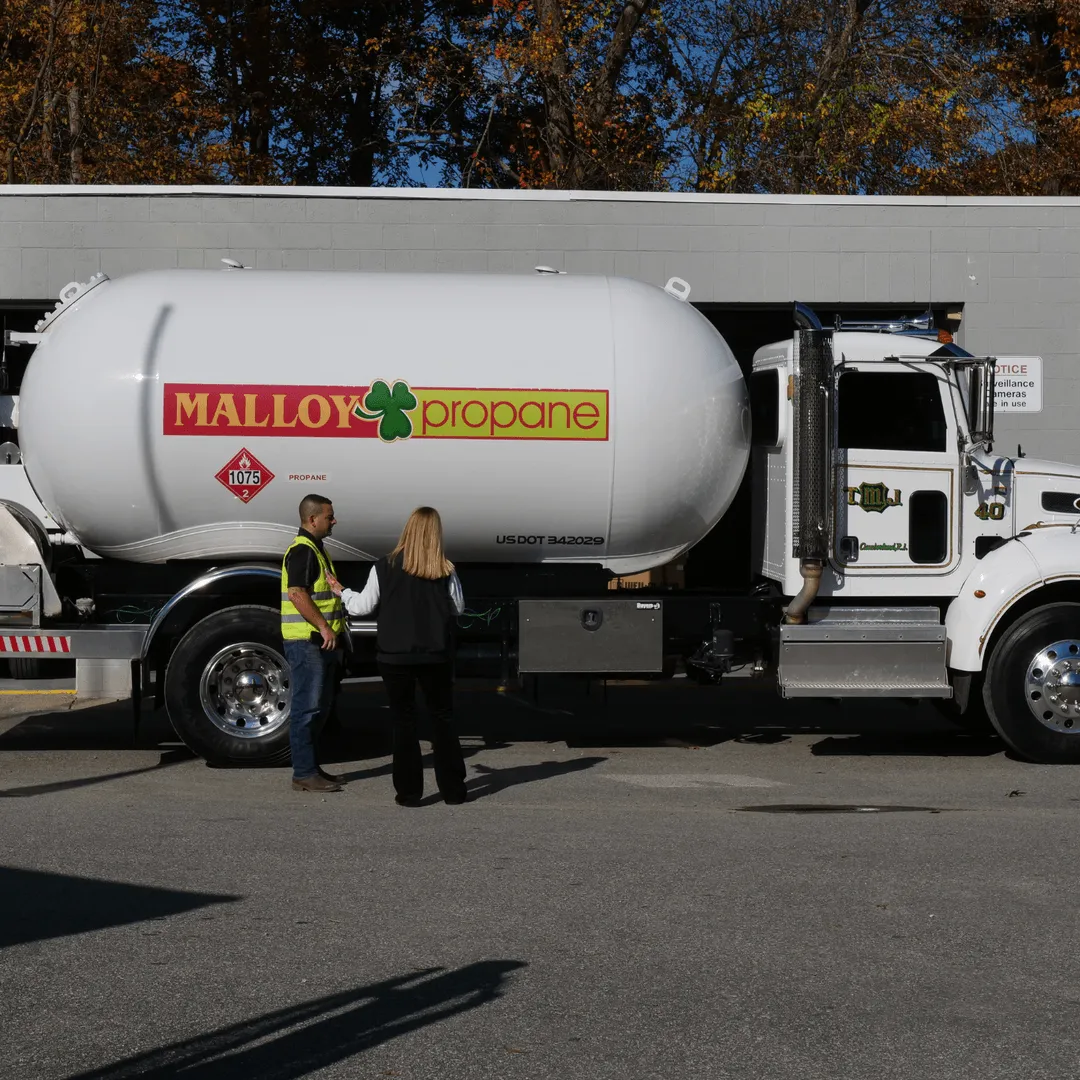
Propane is highly flammable, and undetected leaks can lead to serious hazards, including fires, explosions, and health issues. In August 2023, a propane leak in Cumberland's Ashton Place led to road closures, highlighting the importance of vigilance in leak detection .
Common Signs of a Propane Leak
1. Distinctive Odor
Propane is naturally odorless, but an additive gives it a smell similar to rotten eggs. If you detect this odor, it could indicate a leak.
2. Hissing Sounds
A hissing or whistling noise near your propane tank or lines may suggest gas escaping from a leak.
3. Dead Vegetation
Unexplained dead or discolored plants near your propane tank might be a sign of a leak affecting the soil.
4. Bubbles in Water
If you suspect a leak, you can apply a soapy water solution to the suspected area. Bubbles forming indicate escaping gas.
Steps to Take If You Suspect a Leak
- Evacuate Immediately: Leave the area without using electrical switches or appliances.
- Avoid Flames: Do not light matches or use lighters.
- Shut Off the Gas: If it's safe, turn off the main gas supply valve on your propane tank.
- Call for Help: Contact your propane supplier or emergency services from a safe location.
Preventive Measures
- Regular Inspections: Schedule annual checks of your propane system by certified professionals.
- Install Detectors: Place propane gas detectors in key areas of your home.
- Educate Household Members: Ensure everyone knows the signs of a leak and the steps to take.
Local Resources in Cumberland, Rhode Island
When it comes to propane safety and service in Cumberland, Rhode Island, homeowners trust T.H. Malloy and Sons, Inc. With over 90 years of experience serving Rhode Island communities, we offer reliable propane delivery, expert system maintenance, and personalized safety inspections.
The team understands the unique needs of homes and businesses in the area. Whether it’s a cold snap in winter or preparing your emergency generator for hurricane season, they make sure your propane systems are safe and ready to go.
Stay Safe with T.H. Malloy & Sons, Inc. in Cumberland, Rhode Island
Detecting a propane leak early is not just about avoiding inconvenience, it’s about protecting your home, your family, and your community. At T.H. Malloy and Sons, Inc., we’ve proudly served the Cumberland, RI area for decades, delivering expert propane services with safety and reliability at the core of everything we do.
If you smell gas, hear a hissing sound near your tank, or simply want to ensure your system is in top condition, don’t wait.
Contact us today to schedule a safety inspection, ask questions, or enroll in one of our affordable propane service plans.
Frequently Asked Questions (FAQs)
How can I detect a propane leak in my home?
To detect a propane leak, watch for the smell of rotten eggs, hissing sounds, or dead vegetation near your tank. You can also use a soapy water test. If you suspect a leak, leave your home immediately and contact a local propane expert like T.H. Malloy and Sons in Cumberland, RI.
Is it safe to do a soap test on propane lines myself?
Yes, using a soapy water solution to check for leaks is a common method, but it should only be used on visible connections and never as a substitute for professional inspection. If bubbles form, contact a propane technician right away.
What should I do if I smell gas near my propane tank?
Immediately extinguish any flames, avoid using electronics, evacuate the home, and contact emergency services or your propane provider. T.H. Malloy and Sons offers 24/7 support for propane emergencies in Cumberland, RI.
How often should propane systems be inspected?
Propane systems should be inspected at least once a year, especially before winter. Regular checks help detect propane leaks early and ensure your system runs efficiently and safely.
Can propane leaks happen underground?
Yes, underground propane leaks can occur, often causing nearby grass or plants to brown. If you notice these signs near your buried tank in Cumberland, RI, call a licensed propane service provider like T.H. Malloy and Sons immediately.
Stay Informed with Our Newsletter
Sign up to receive our latest updates

Insights for Your Home Comfort
Stay informed and ahead of the weather with our expert insights. Visit our blog for the latest updates and tips to maximize your home comfort.